EN
EN SP
SP FR
FR
- Home
- About Us
- Products
- Service
- Project
- News
- Contact Us
Pulished on Sep. 19, 2023
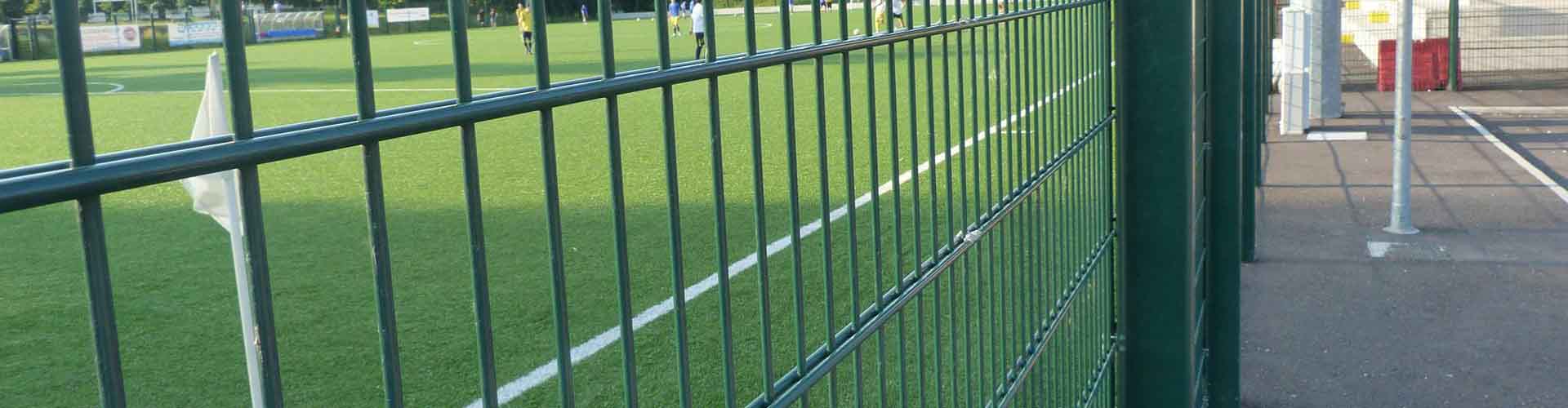
Structural strength: 3D fence has advantages in structural strength compared to traditional fences. Traditional fences usually consist of horizontal and vertical poles with relatively simple connections. The 3D fence adopts a more complex design, which enhances the overall strength of the fence through horizontal and vertical cross-grid structures. This structure makes the 3D fence more resistant to external impact and pressure, reducing the risk of fence deformation and breakage. Therefore, compared with traditional fences, 3D fences can provide higher structural strength and more effectively protect the safety of the enclosed area.
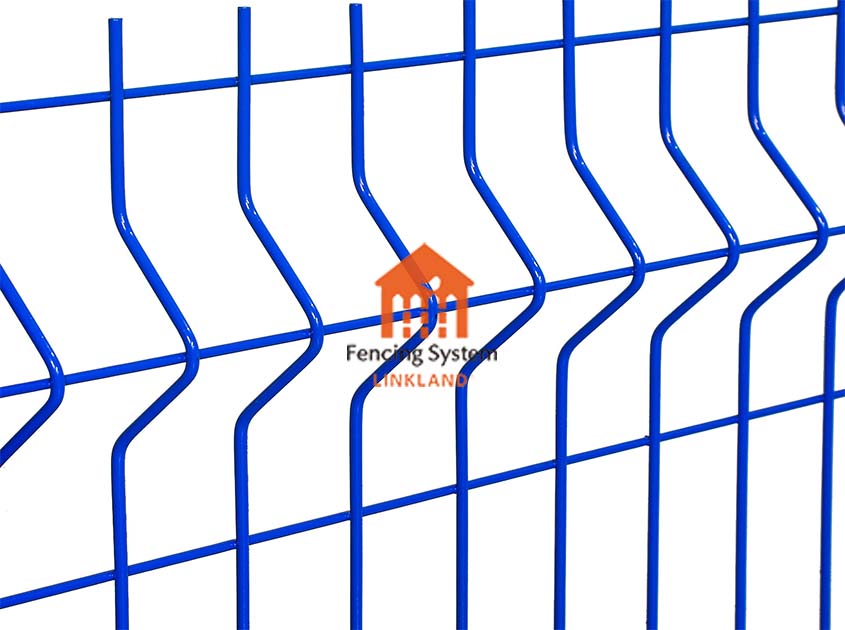
Corrosion resistance: In terms of durability, 3D fence generally has better corrosion resistance. Traditional fences typically use metal materials, such as iron or steel, which are susceptible to corrosion from moisture, rain, and other oxidizing factors. However, 3D fences are usually made of galvanized or coated metal materials, which are corrosion-resistant. This allows the 3D fence to maintain its appearance and performance for a long time in harsh climate conditions without problems with rust and corrosion. Therefore, 3D fence has advantages over traditional fences in terms of durability.

Maintenance cost: From the perspective of maintenance cost, 3D fence is more economical than traditional fence. Traditional fences typically require periodic painting and anti-corrosion treatments to maintain their appearance and performance. This means additional labor and time costs, as well as the expense of maintaining materials. However, 3D fences typically require less frequent maintenance and can maintain good appearance and functionality longer due to their corrosion-resistant properties. This reduces maintenance costs and workload, saving users time and money.
Design flexibility: 3D fence also has advantages when it comes to design flexibility. Traditional fences usually have a relatively simple and single design, which is difficult to meet the aesthetic requirements of different places and needs. However, 3D fence adopts a more diverse design and can provide different mesh size, color and shape choices to meet personalized design needs. This makes the 3D fence more flexible in landscape and architectural design, and can better integrate into different environments and styles.
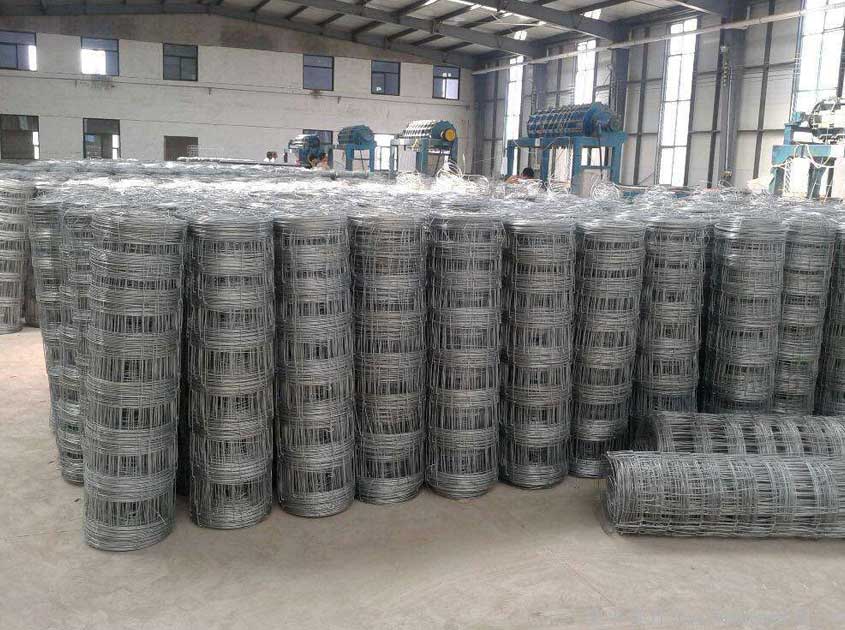
How to Choose Farm Fence for Cattle and Horses: Wire, Height and Design Guide
Pulished on Sep. 23, 2026
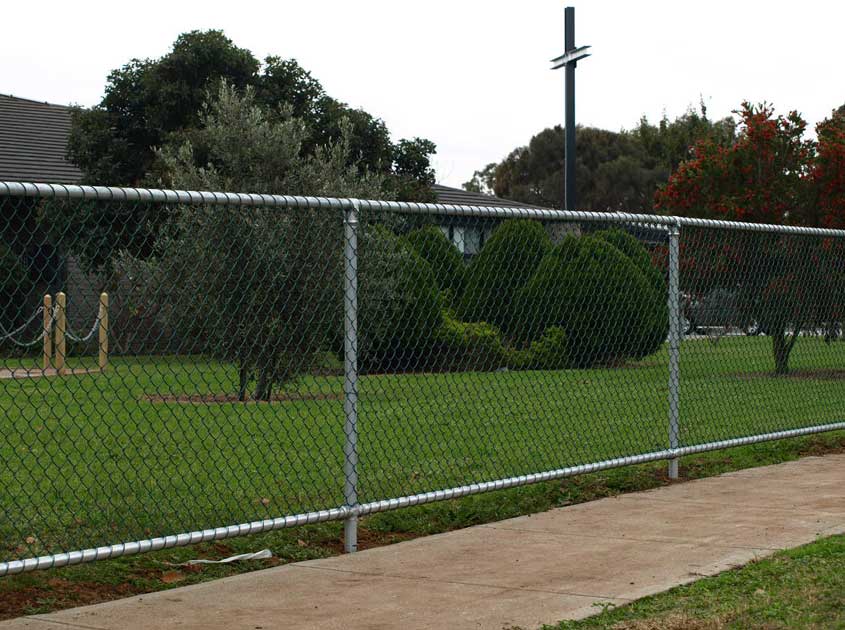
How Is Chain Link Fence Made? Manufacturing Process and Components
Pulished on Sep. 18, 2026
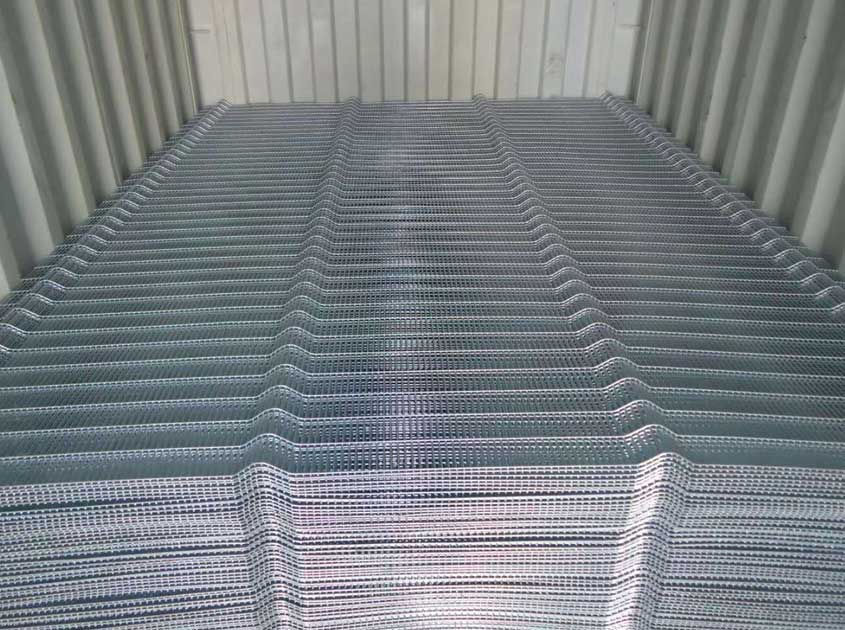
358 Security Fence vs Chain Link Fence: Security, Cost and Application Comparison
Pulished on Sep. 15, 2026
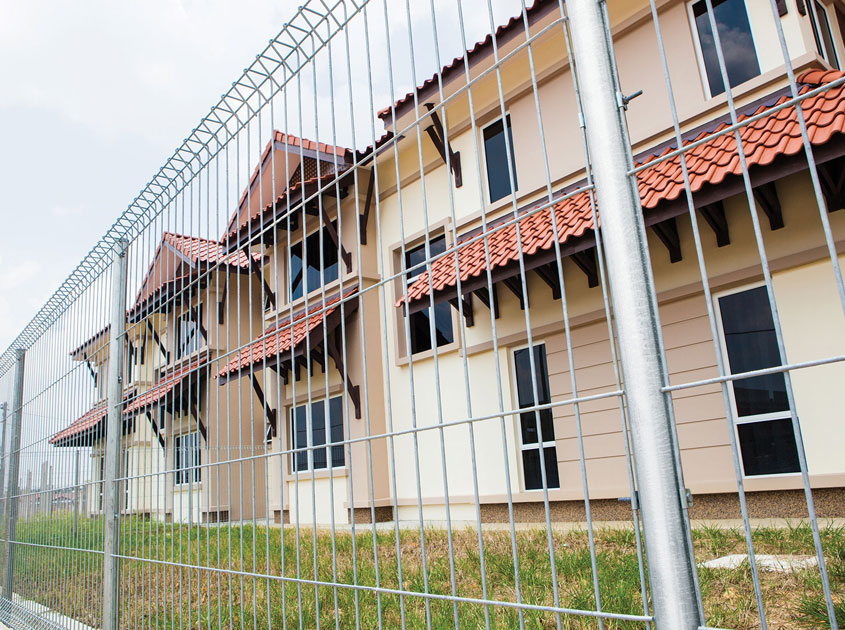
Why Choose Welded Wire Fence for Security and Protection?
Pulished on Sep. 07, 2026
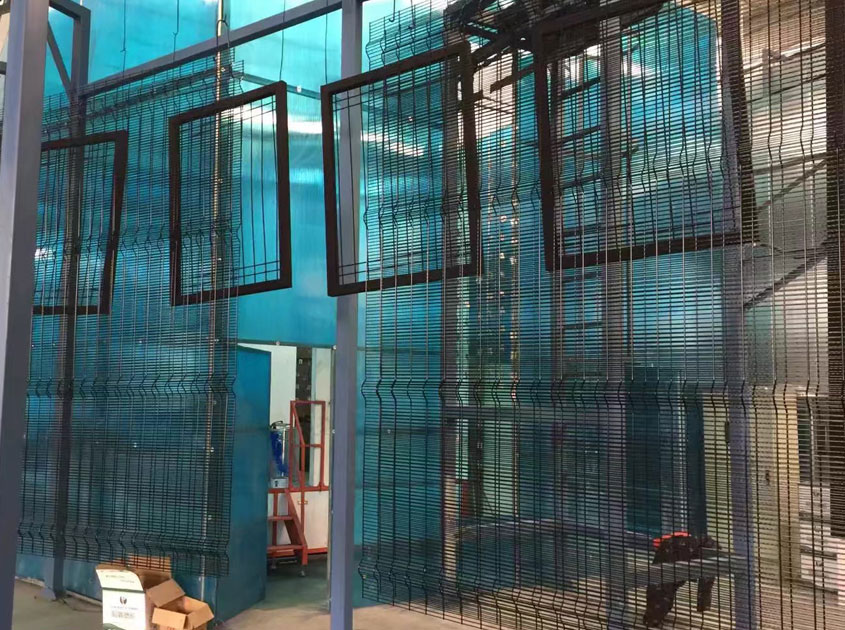
358 Security Fence Specifications and Applications Guide
Pulished on Aug. 27, 2026
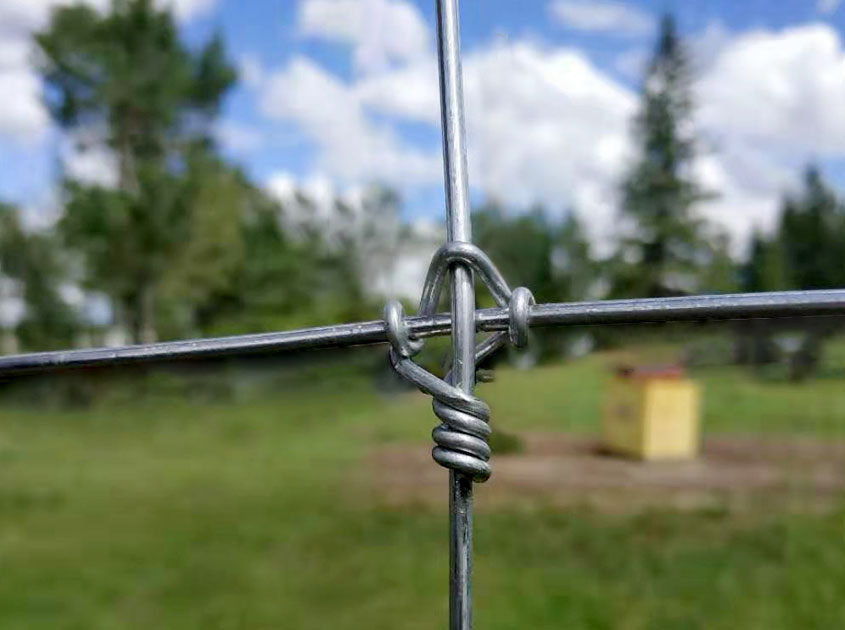
What Is Farm Fence and What Are the Main Types?
Pulished on Aug. 26, 2026
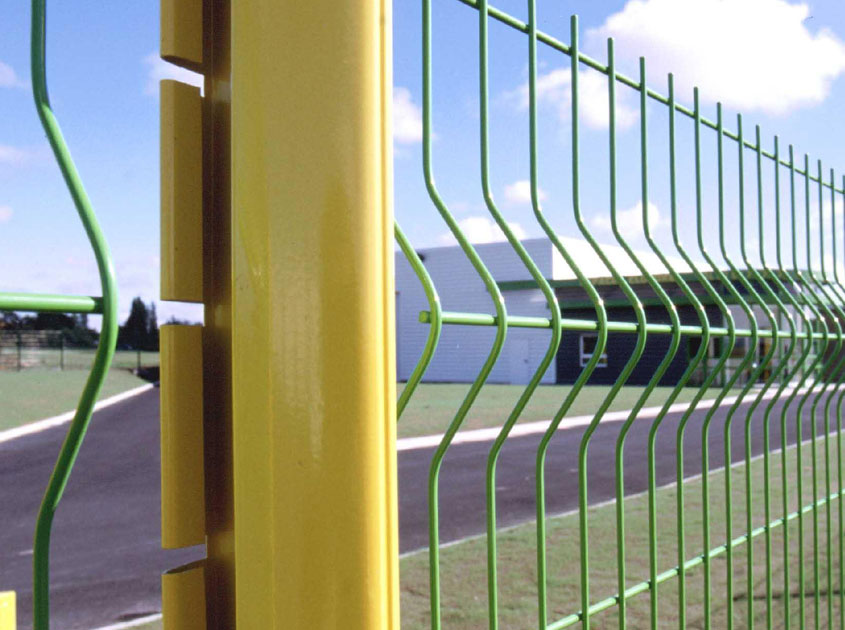
Welded Wire Fence Types, Sizes and Applications Guide
Pulished on Aug. 20, 2026
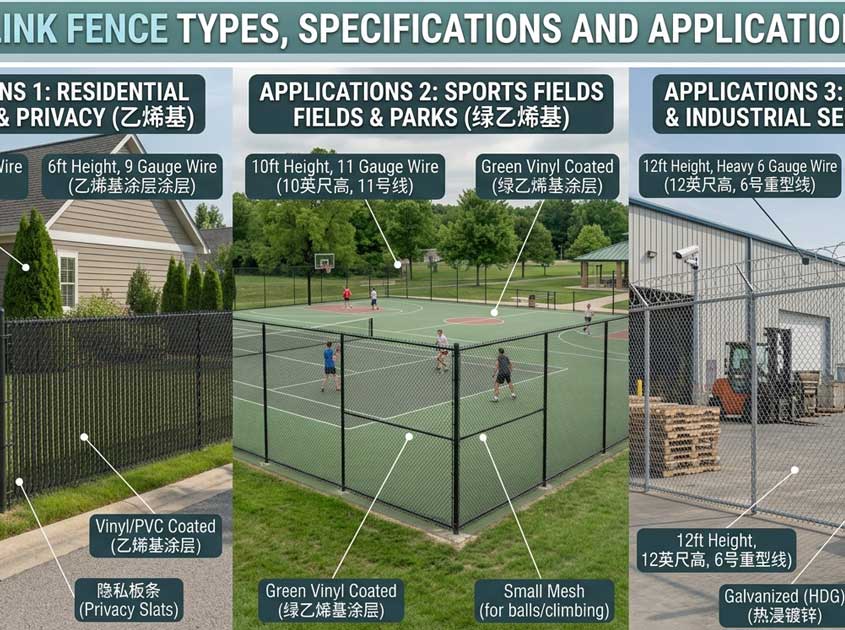
Chain Link Fence Types, Specifications and Applications Guide
Pulished on Aug. 12, 2026
How to Choose Farm Fence for Cattle and Horses: Wire, Height and Design Guide
Pulished on Sep. 23, 2026
How Is Chain Link Fence Made? Manufacturing Process and Components
Pulished on Sep. 18, 2026
358 Security Fence vs Chain Link Fence: Security, Cost and Application Comparison
Pulished on Sep. 15, 2026
Why Choose Welded Wire Fence for Security and Protection?
Pulished on Sep. 07, 2026
358 Security Fence Specifications and Applications Guide
Pulished on Aug. 27, 2026
What Is Farm Fence and What Are the Main Types?
Pulished on Aug. 26, 2026
Welded Wire Fence Types, Sizes and Applications Guide
Pulished on Aug. 20, 2026
Chain Link Fence Types, Specifications and Applications Guide
Pulished on Aug. 12, 2026